Krakow hits different on two wheels. This 3-hour Krakow Hidden Bike Tour trades the usual postcard stops for World War II stories, Polish heroes, and lesser-seen places you’d miss on your own. I like that the tour uses a Dutch guide to connect the past to what you can actually see today, including one of Krakow’s most beautiful parks with statues and memorial storytelling.
Two things I especially value are the top-quality bicycles and the relaxed, slow pace. That combination keeps the focus on the human stories—hope, pride, sorrow—rather than on racing to keep up. One key consideration: you will climb a hill on foot to reach a viewpoint, and this tour is not suitable for people with mobility impairments.
In This Review
- Key Highlights You Should Know
- Why This 3-Hour Krakow Ride Feels Like a Real Education
- Riding Comfort: Top Bikes, Helmets If You Want, and No E-Bike
- Where the Stories Start: The Park of Polish Heroes and WWII Memorial Statues
- Podgórze on Two Wheels: The District Where WWII History Still Shows
- Jewish Cemetery, the Former Ghetto, and What Schindler’s Factory Adds
- The Hill Climb and Viewpoint: Small Effort, Big Payoff
- How This Tour Fits Into a Krakow Itinerary (Without Duplicating Your Stops)
- Price and Value: Why $41 Can Be a Good Deal Here
- Who Should Book This Hidden Krakow Bike Tour
- Should You Book It?
- FAQ
- How long is the Krakow Hidden Bike Tour?
- How much does the tour cost?
- What’s included in the price?
- Is an e-bike included?
- What languages are available for the guide?
- Do you stop for food or drinks on the tour?
- Is there any walking during the tour?
- Is this tour suitable for people with mobility impairments?
Key Highlights You Should Know
- WWII + what came after: modern Polish history told through places you don’t usually hit on a standard route
- A Dutch guide with serious energy: the history comes alive without turning it into a lecture
- Park stop with Polish hero statues: memorials and stories tied to World War II are central to the experience
- Podgórze district route: Jewish cemetery, Schindler’s factory, and the former ghetto area are key stops
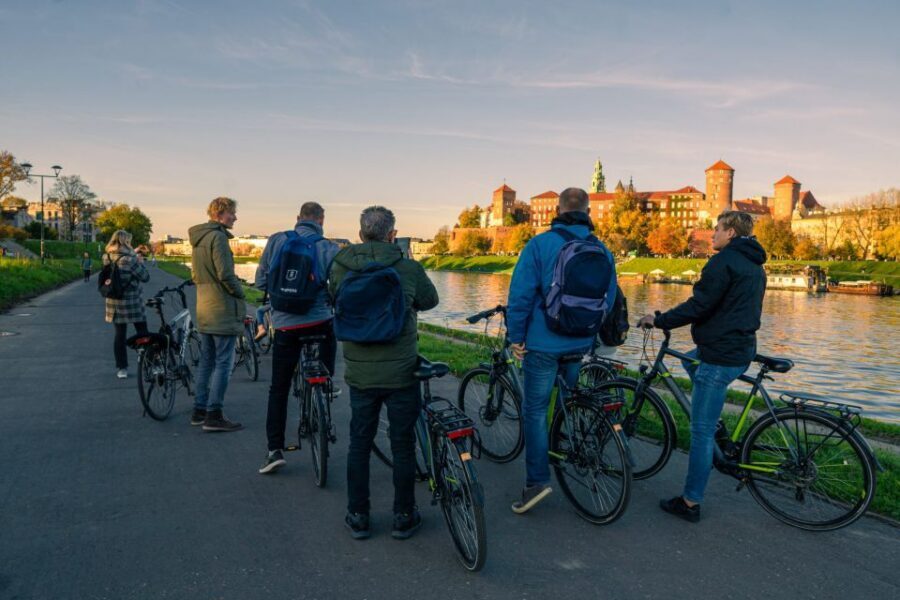
- Slow-paced riding with real bike comfort: quality bikes help you enjoy the ride, not fight it
Why This 3-Hour Krakow Ride Feels Like a Real Education
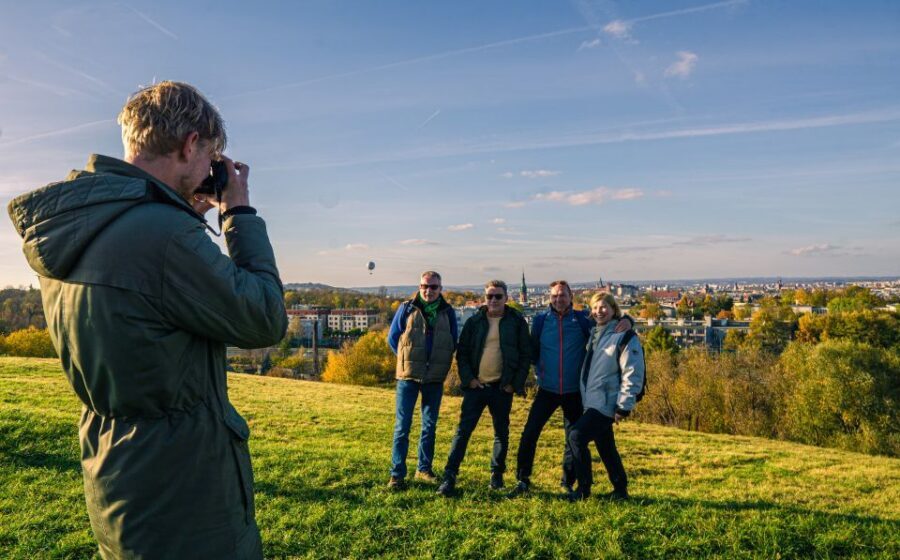
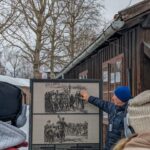
This tour works because it refuses to treat World War II as an abstract topic. Instead, you move through Krakow where the memories are physically present—parks, districts, and well-known sites that still land emotionally because of the stories attached to them. You’ll also hear about Polish heroes and victims, with themes of courage and suffering that explain how Poland shaped the lives of people who lived through the darkest years and what followed afterward.
The pacing is part of the point. You’re riding slowly on a quality bike, so you can actually look around and absorb the setting. I also like that it’s not only about famous names. The guide’s focus on people and events tied to Poland’s role makes the whole walk-and-ride feel personal, not generic.
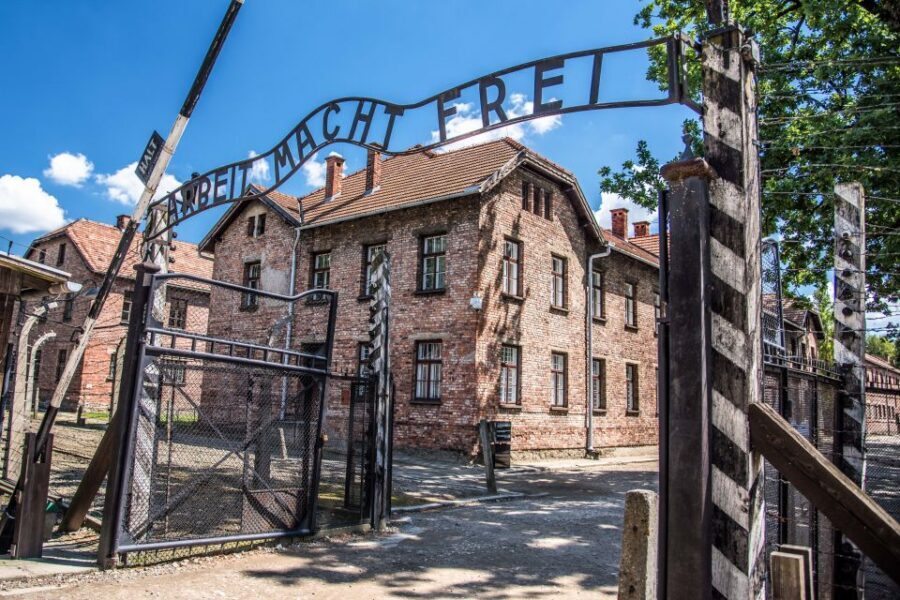
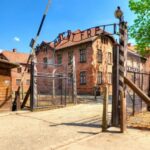
One more reason it’s a good fit: it complements Auschwitz-focused travel without duplicating what you might already plan in Krakow. If you’re doing a separate bike tour covering the Old Town (Stare Miasto) and the Jewish Quarter (Kazimierz), this one adds the WWII and post-war angle in other parts of the city.
You can also read our reviews of more cycling tours in Krakow
Riding Comfort: Top Bikes, Helmets If You Want, and No E-Bike
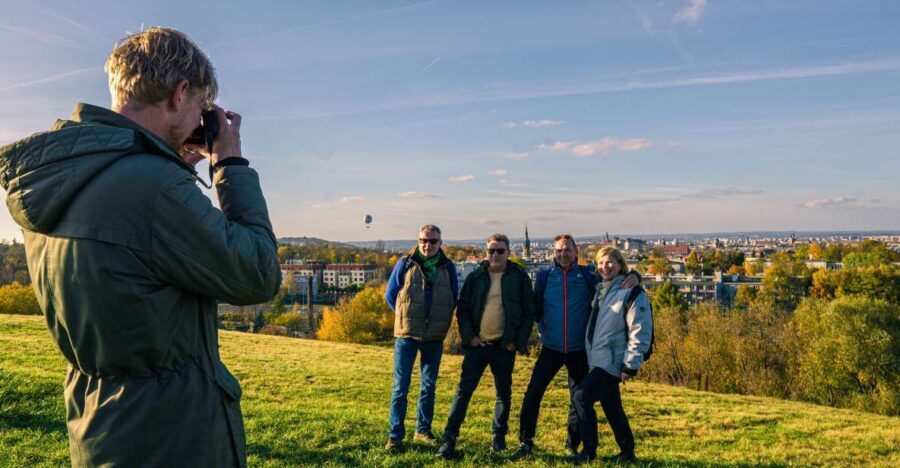
You’ll be on quality bicycles, and that matters more than you might think. A bad bike turns a short tour into a pain test, especially when you’re also listening to history. Here, the goal is to keep you comfortable so the guide’s storytelling stays front and center.
Helmets are available if requested, and you can also get a poncho if it’s needed. That kind of practical gear is a small thing, but it keeps a 3-hour tour from getting derailed by weather or comfort issues. E-bikes aren’t included, so if you prefer motor help, you’ll want to plan that outside the tour.
The other practical detail: the route includes some on-foot time. You’ll climb a hill by foot to reach a viewpoint. You don’t need to be a mountain athlete, but you do need to be ready for at least one stretch where you’re not pedaling.
Where the Stories Start: The Park of Polish Heroes and WWII Memorial Statues
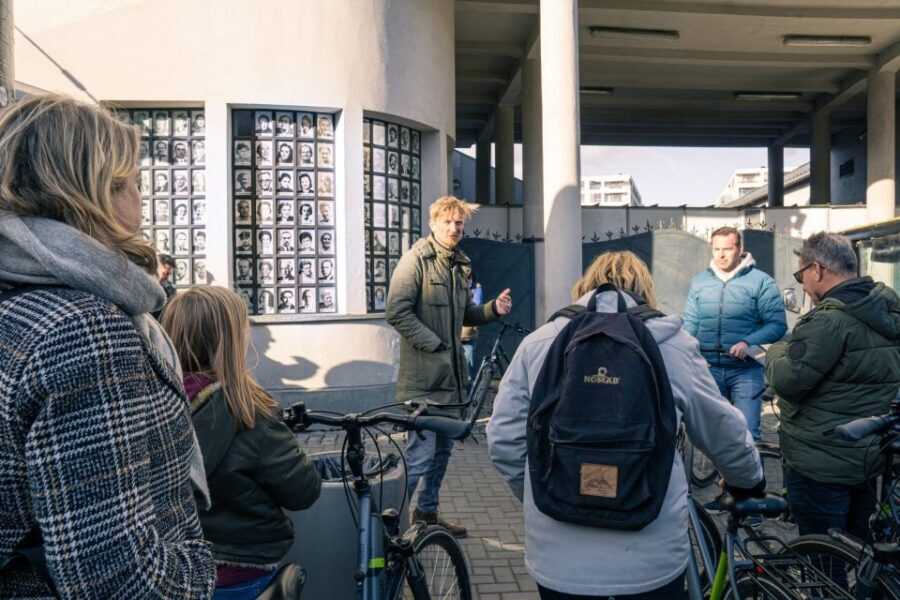
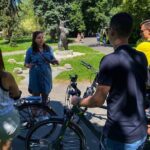
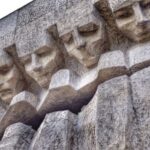
A big part of the experience happens outside Krakow’s city center, and one highlight is a beautiful park tied to Polish wartime memory. This is where the tour leans into something you can’t easily recreate solo: statues of Polish heroes and stories from World War II that many people never hear about in everyday sightseeing.
What you gain here is context. You’re not just passing by monuments; you’re learning what they represent and why they matter in the Polish story of occupation, resistance, and survival. The guide frames the material in a way that makes the park feel like a living chapter of the city, not a random green pause.
You’ll also pick up a striking international connection. The tour includes a reminder that Poland played a major role in the liberation of the Netherlands and Italy. That’s the kind of fact that changes how you look at the war—less as a single-country story, more as a complicated chain of actions and sacrifices across Europe.
And yes, it’s set up to be emotional when it needs to be. You’ll hear about hope and pride, but also sorrow, tied to people whose lives were shaped by what happened next.
Podgórze on Two Wheels: The District Where WWII History Still Shows
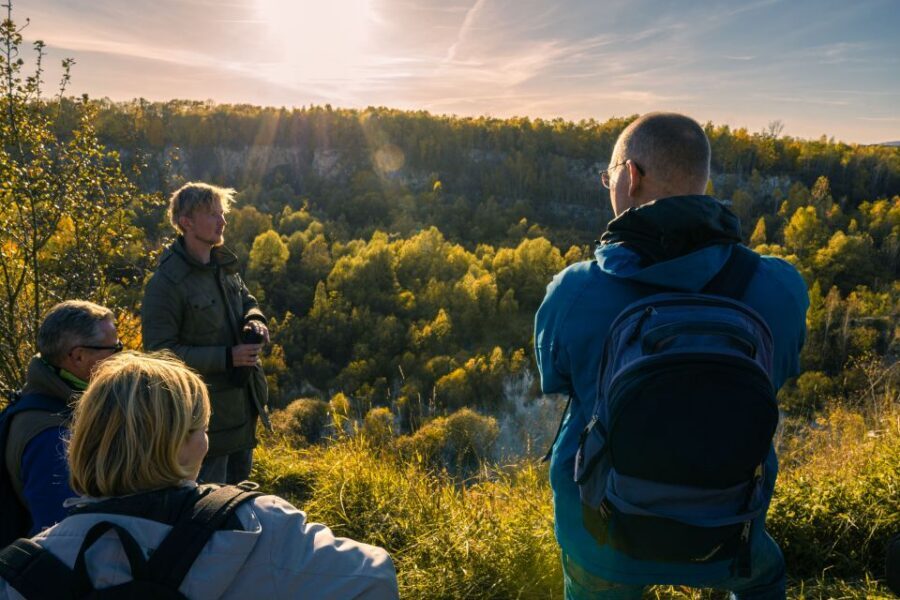
After the park stop, the tour shifts into Podgórze, a district that holds some of the most significant WWII-era landmarks in Krakow. This is where the “hidden” part becomes practical: you’re seeing places that are important but not always on the shortest visitor routes.
Podgórze is also where the tour becomes heavier in theme. Expect stops connected to the Jewish community during the war, including a Jewish cemetery and areas tied to the former Jewish ghetto. Even if you know the general outline of events, the guided framing helps the sites feel grounded and human.
The guide’s job here is important: to help you connect the location to the story without turning it into sensational shock. From the way the tour is described, the emphasis is on heroic figures as well as victims—both are part of the full picture.
Jewish Cemetery, the Former Ghetto, and What Schindler’s Factory Adds
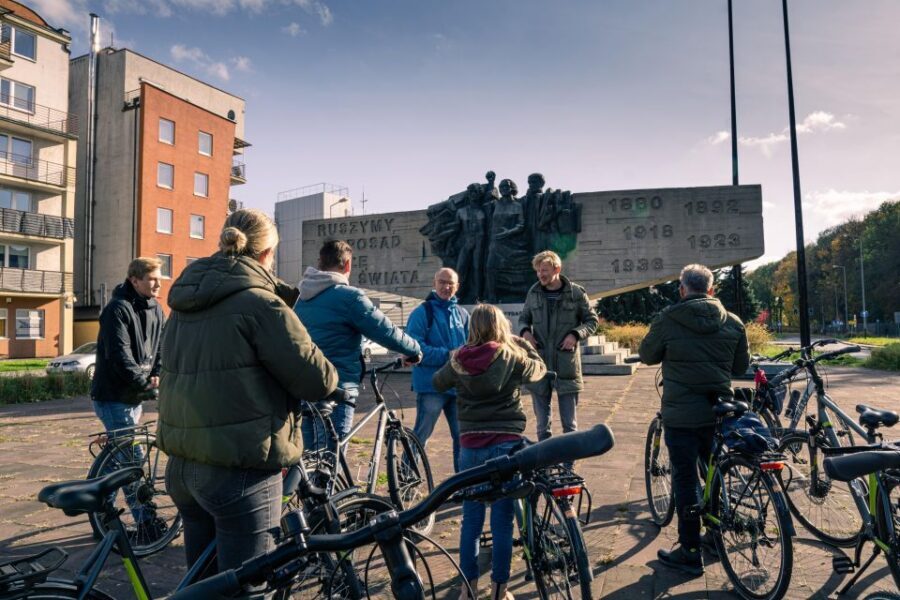
This is the cluster of stops that many people associate with the hardest-hitting Krakow WWII lessons. You’ll visit the Jewish cemetery, see the former Jewish ghetto area, and then go to Schindler’s factory.
Schindler’s factory is one of those places that can feel “famous” in the way popular media makes it feel. What the bike tour format can do well is place it in a wider setting, linking it back to the district and its communities. Instead of seeing it as a one-off stop, you’re building an understanding of how the war affected neighbors, families, and entire neighborhoods.
The former ghetto stop also benefits from being paired with context you got earlier. You’re not starting from scratch. You’ve already heard about how Poland’s history shaped its inhabitants, and you’ve already spent time in a park where hero memorials and WWII stories are anchored to the physical space. That background makes the Podgórze stops more meaningful, not just more memorable.
One practical thing to keep in mind: this is a tour centered on WWII and its aftermath. If you’re sensitive to emotional subjects, plan your day around it. This is not the tour to stack with a party-heavy evening or to treat as a casual add-on.
The Hill Climb and Viewpoint: Small Effort, Big Payoff
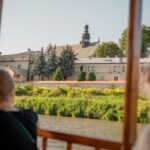
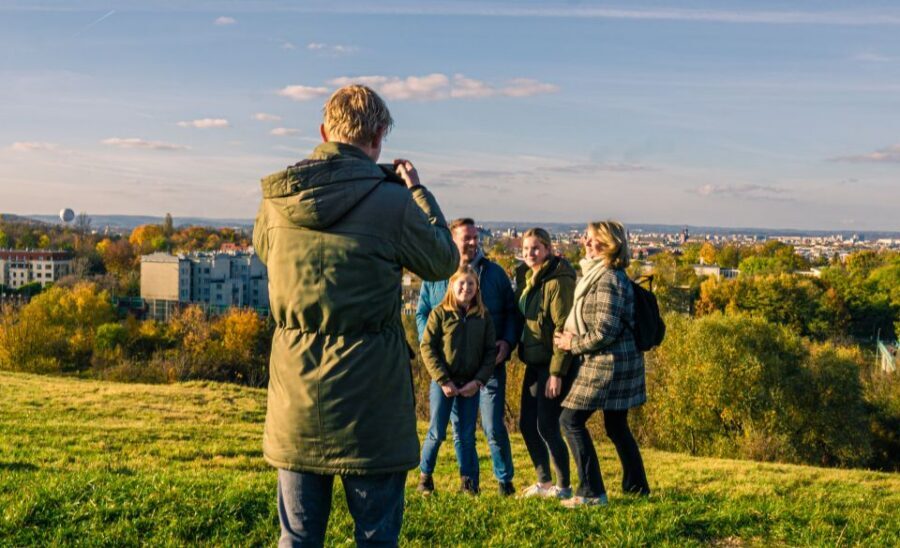
Before or during the route, you’ll climb a hill by foot to reach a viewpoint with city views. This is a moment where the tour asks for a bit of effort—but it’s also one of the best ways to reset your brain while keeping the momentum.
Why it works: the viewpoint gives you a breather from listening, and it puts Krakow’s geography into perspective. Even if you’re not a big photo person, it helps you understand where you are relative to the city’s neighborhoods.
The downside is simple: if mobility is limited, this part can be a problem. The tour is not suitable for people with mobility impairments, so if you need step-free touring, you’ll want to choose a different option.
How This Tour Fits Into a Krakow Itinerary (Without Duplicating Your Stops)
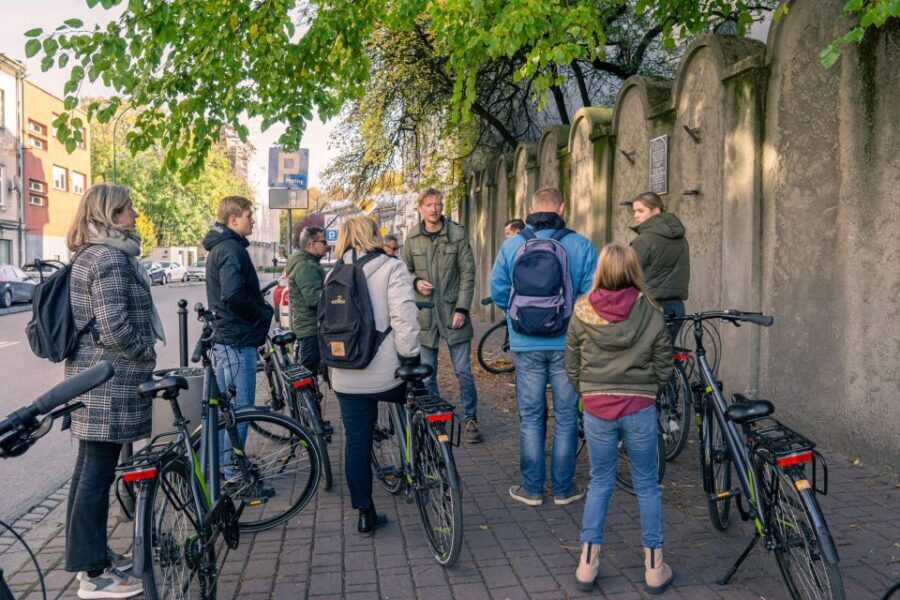
I love tours that are designed to complement the rest of your trip. This one specifically avoids duplicating a more classic Krakow bike route that focuses on the Old Town (Stare Miasto) and the Jewish Quarter (Kazimierz). That matters because you don’t want to pay for two bike tours that overlap the same main streets.
Instead, this route focuses on World War II and what happened afterward, in neighborhoods and sites outside the city center. If you’re already planning Auschwitz, this is a smart pairing because it adds local Polish stories and Krakow-specific context. You’ll see how the war’s impact played out in the city, not only in the broader historical narrative.
Price and Value: Why $41 Can Be a Good Deal Here
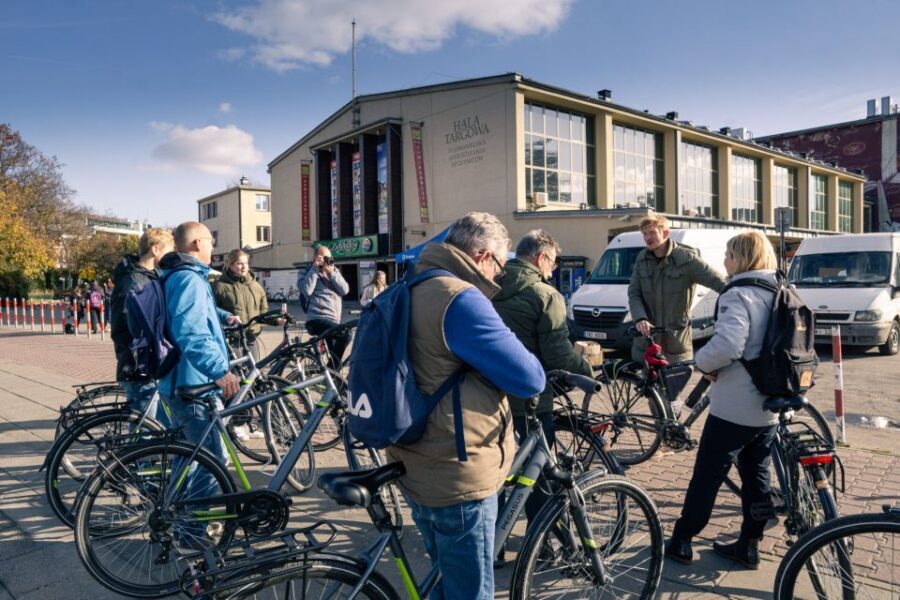
At about $41 per person for a 3-hour tour, this isn’t priced like a “light” city stroll. You’re paying for a guide who handles language, timing, and historical interpretation, plus quality bicycles, and support items like a helmet (if requested) and a poncho (if required).
What makes the price feel fair is the mix of value types:
- you’re getting transportation (bike),
- you’re getting interpretation (WWII-focused guided storytelling),
- and you’re getting access to less obvious parts of Krakow’s WWII landscape (parks and Podgórze sites).
It’s also short enough that it doesn’t dominate your whole day. You can place it as a meaningful afternoon activity without sacrificing your other plans in Krakow.
Who Should Book This Hidden Krakow Bike Tour
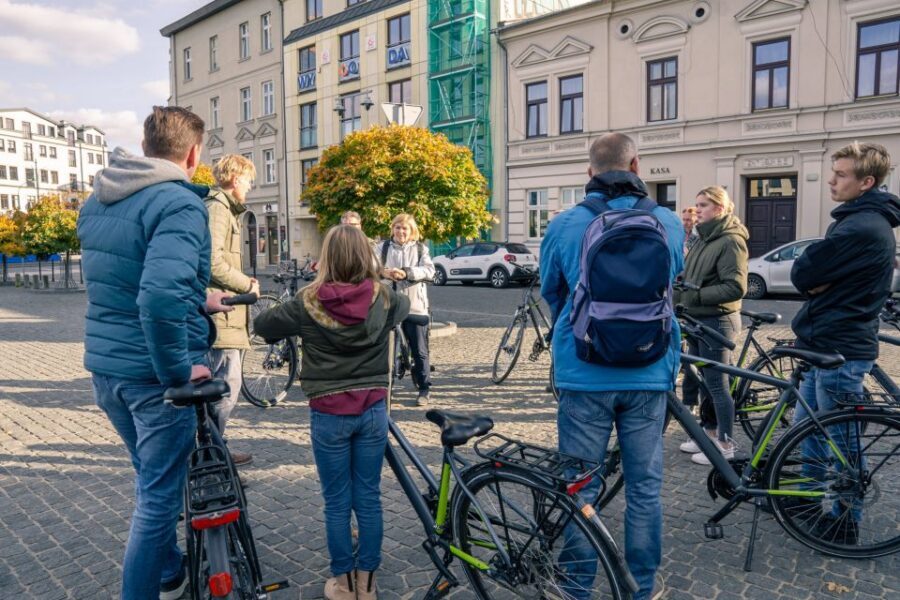
This tour is a strong match if you want history that’s tied to real places, not just names on a museum wall. If you like a slow pace, prefer a bicycle to walking, and want a guide who’s clearly enthusiastic about the stories, you’ll probably enjoy the format.
It’s especially good for:
- people planning Auschwitz and wanting Krakow context afterward
- travelers who have already seen the main Old Town highlights and want a second angle
- visitors who like thoughtful, emotionally grounded storytelling (not just facts)
One more practical note: it’s not for people with mobility impairments because of the hill climb by foot. And because it’s WWII-centered, it’s best if you’re ready for serious themes.
Should You Book It?
Yes—if you want a guided bike ride that teaches you Krakow’s WWII story in a way that’s hard to replicate on your own. The combination of quality bikes, a Dutch guide (and support in requested languages), and focused stops in Podgórze makes it a worthwhile afternoon. If you’re looking for a relaxed ride plus meaningful learning, this is a smart way to spend 3 hours.
If hills are a challenge for you, or you want a purely low-effort tour with no walking, skip this one and pick a different format.
FAQ
How long is the Krakow Hidden Bike Tour?
It lasts 3 hours.
How much does the tour cost?
The price is $41 per person.
What’s included in the price?
You get a quality bicycle and a tour guide who speaks English, Dutch, or German depending on preference. A helmet is available if requested, and a poncho is provided if required.
Is an e-bike included?
No. E-bike is not included.
What languages are available for the guide?
The tour guide is Dutch, and English or German may be available depending on your preference.
Do you stop for food or drinks on the tour?
No. Food and drinks are not included.
Is there any walking during the tour?
Yes. You will climb a hill by foot to reach a viewpoint.
Is this tour suitable for people with mobility impairments?
No, it is not suitable for people with mobility impairments.