REVIEW · KRAKOW
Krakow: Schindler’s Factory Guided Tour with Entry Ticket
Book on GetYourGuide →Operated by SeeKrakow · Bookable on GetYourGuide
One museum, two-hour lesson in humanity.
This Krakow tour takes you into Schindler’s enamel factory and walks you through the war years step by step, not as a blur of dates, but as real lives tied to one place. I like the way the story is structured room by room, and I like that the focus stays on Kraków itself—before the Nazi occupation, during the ghetto years, and after.
The main catch: the museum spaces can feel tight and busy, so the tour moves with purpose. If you’re the type who reads every caption twice, plan to slow down after the guided portion.
Key points I’d plan around
- Skip-the-ticket-line entry so you lose less time at the door
- English live guide who connects the exhibits into one clear story
- Kraków Under Nazi Occupation 1939–1945 permanent exhibition coverage
- Oskar Schindler memories and mementoes tied to the saved lives story
- 90–100 minutes on the clock, with time to stay longer for movies and documents
- Crowded, narrow rooms can make audio tricky, so headsets matter
In This Review
- Inside Schindler’s Factory: Why This Museum Hits Hard
- Getting In at ul. Lipowa 4 Without Wasting Time
- The Guided Route: What 100 Minutes Really Covers
- Kraków Under Nazi Occupation 1939–1945: The Big Context You Need
- From Ghetto to Płaszów: Expect the Hard Parts
- Oskar Schindler’s Story: Memories, Mementoes, and the Saved-Lives Scale
- Listening to the Guide: English Tours and the Human Factor
- Making the Most of Tight Rooms and a Moving Schedule
- Where This Fits in Your Krakow Plan (and Beyond)
- Price and Value: Is It Worth $25?
- Should You Book This Schindler’s Factory Guided Tour?
- FAQ
- How long is the guided tour?
- Is the entrance ticket included?
- What language is the guide?
- Where do I meet for the tour?
- What should I bring with me?
- Is this tour suitable for wheelchair users?
- Can I cancel and get a refund?
- Can I reserve now and pay later?
Inside Schindler’s Factory: Why This Museum Hits Hard
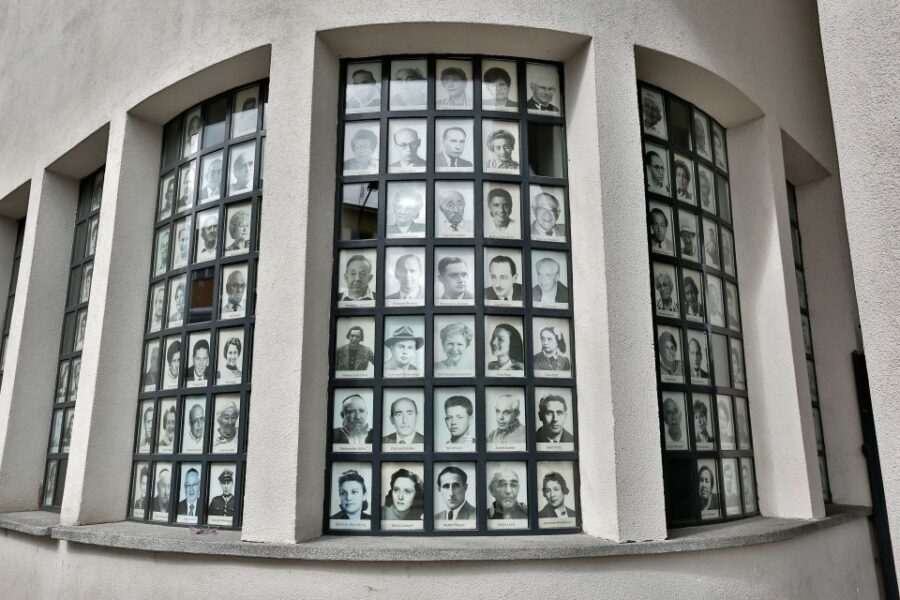
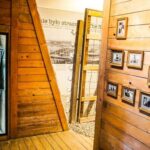
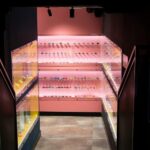
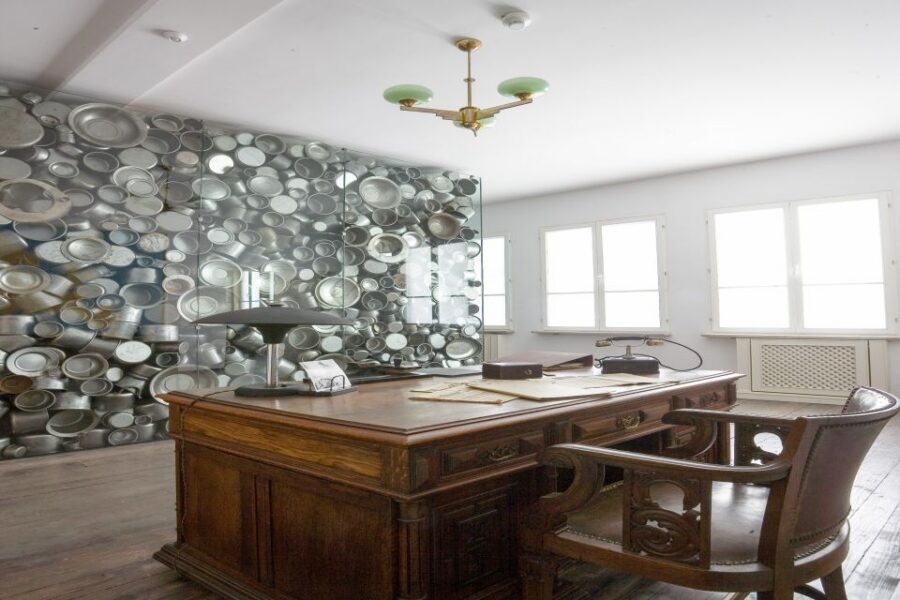
Krakow’s Schindler’s Factory Museum isn’t built to look “movie set” pretty. It’s an original industrial space—the old Oskar Schindler Enamel Goods Factory—turned into an exhibition that tells you what Nazi occupation did to people, and how choices could still matter inside that pressure.
What I like most is that the tour doesn’t treat Schindler’s List as the start of the story. It treats it like a window. You’ll get background on Kraków’s Jewish and Polish communities before the war, then watch how occupation reshaped daily life, neighborhoods, and survival chances.
This tour is also a rare kind of value: for about $25, you get an entry ticket plus a live English guide for roughly 100 minutes, with the option to linger. In a museum like this, a good guide is the difference between seeing “stuff on walls” and actually understanding what the exhibits are saying.
Getting In at ul. Lipowa 4 Without Wasting Time
Meet in front of the Schindler’s Factory Museum entrance on ul. Lipowa 4. The ticket setup is designed to help you get moving fast—skip the ticket line—which matters because this museum can be popular and timelines are tight once your group starts.
Bring a passport or ID card. That’s a small step, but it avoids last-minute friction. And since this is a factory-turned-museum, expect a bit of “museum traffic” inside—people funnel through rooms, and you’ll often be standing close to the display cases and photo walls.
You can also read our reviews of more tours and experiences in Krakow

The Guided Route: What 100 Minutes Really Covers
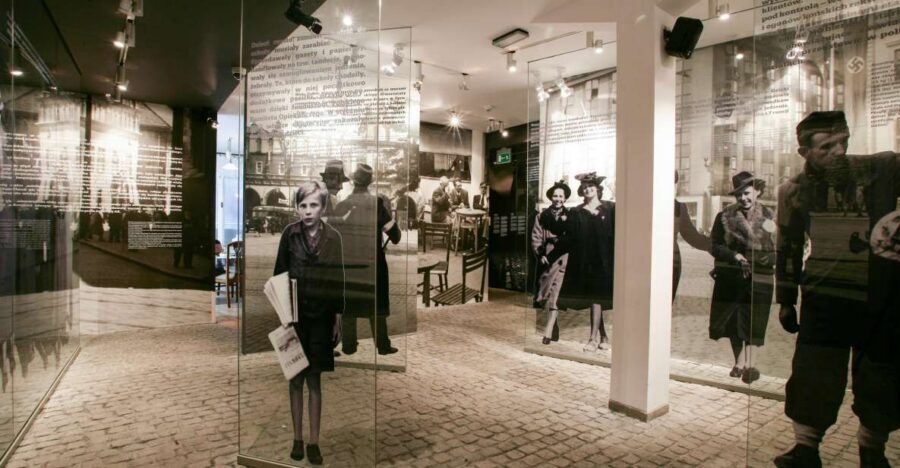
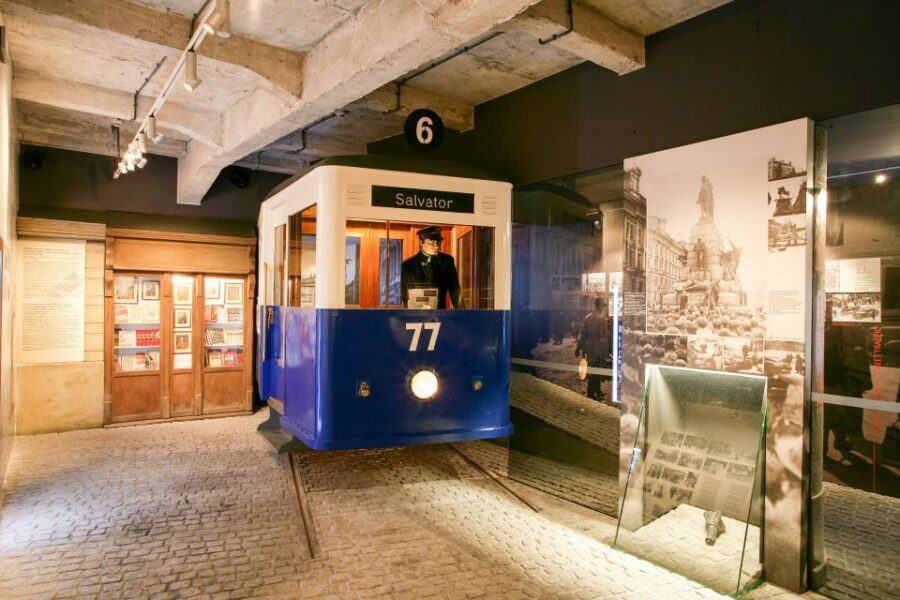
This is a guided walk through the museum’s main sections, paced for a group. You’ll be led through the story from events leading up to the war through the period ending with the arrival of the Soviet Army in 1945. Along the way, you’ll visit the permanent exhibition Kraków Under Nazi Occupation 1939–1945 and the spaces dedicated to Schindler’s role.
The museum opened to the public in June 2010 after years of preparation. That matters because the exhibition is built to guide you across time—starting roughly a month before the war—rather than stopping after one dramatic moment.
A good mental model: the guide usually spends more time on context early, then narrows down to Schindler’s story and the people whose lives he helped save. If you’re limited on time in Krakow, this structure is exactly what you want.
Kraków Under Nazi Occupation 1939–1945: The Big Context You Need
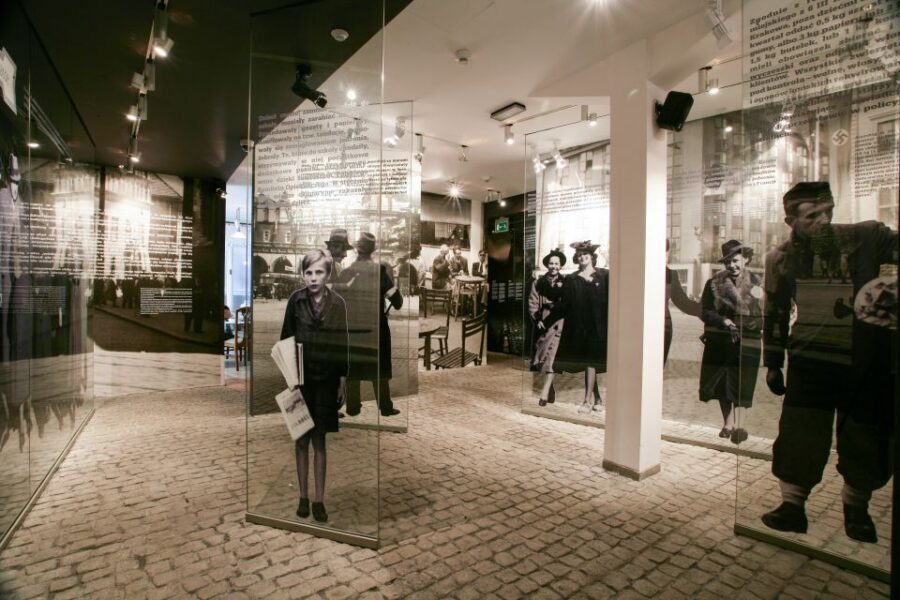
The heart of the tour is the permanent exhibition on Nazi occupation from 1939 to 1945. You’ll learn how Kraków’s communities changed as the occupation tightened—from the first months of rule through the ghetto period and into the concentration camp system connected to the area.
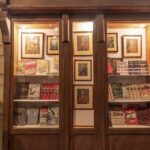
The exhibit is designed around real artifacts, records, and testimonies tied to Kraków’s inhabitants. You’ll hear about Jews in Kraków before, during, and after the war, and you’ll also get Polish context so the story doesn’t feel one-sided or disconnected from the city around it.
One thing I appreciate: the tour frames the war as something experienced locally, not as a distant international event. That makes everything feel more concrete—and more unsettling in the way history becomes personal.
From Ghetto to Płaszów: Expect the Hard Parts
You’ll see how the story connects to the Kraków Ghetto and the Płaszów Concentration Camp. These sections aren’t “comfort viewing,” but they are presented in a way that helps you follow cause and effect—how policies became forced movements, how forced labor and imprisonment became part of the machinery of occupation.
A practical consideration: the rooms can get busy, and the exhibits are often in narrow spaces. If you’re near the back at any stop, audio may be harder. You can help yourself here by staying alert on where the guide is in the group and shifting position when there’s a natural pause.
Also, if you’re sensitive to graphic or emotionally heavy material, pace yourself. The guide will keep moving because the tour has a timetable, but you can slow down after the formal section.
Oskar Schindler’s Story: Memories, Mementoes, and the Saved-Lives Scale
After the broader Kraków timeline, the tour moves into the rooms dedicated to Oskar Schindler and the people whose lives he saved. The story centers on the fact that more than 1,000 Jews in Kraków owe their survival to one person’s actions—often described in the materials as around 1,200 names and cases tied to his choices.
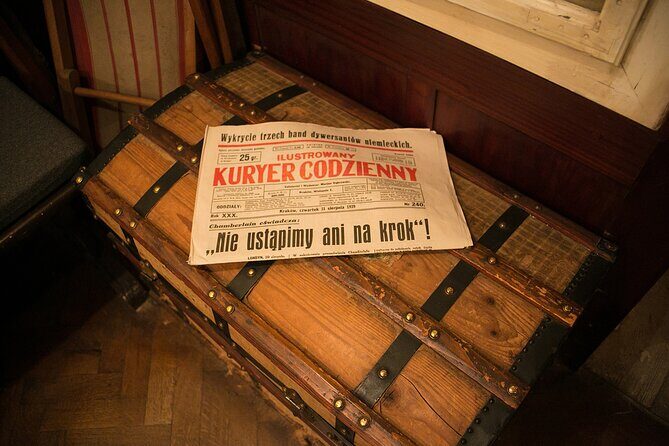
You’ll see memories and mementoes connected to Schindler, and you’ll learn how the factory setting links to the rescue effort. This is where the story stops being only about occupation and becomes about a moral turning point inside it.
A small but meaningful note: this tour is built to give you the real-life story behind the Spielberg film. That doesn’t mean you’ll see sets or film props. You’ll get the historical framework the movie helped popularize—then the personal evidence that sits behind that famous plot line.
You can also read our reviews of more guided tours in Krakow
Listening to the Guide: English Tours and the Human Factor
This is a live guided tour in English. In practice, you’ll notice how much the guide shapes the experience because the museum is so artifact-led. Good guidance helps you understand what you’re looking at and why it matters.
From past tours, you’ll find guides such as Kamil, Kate, Ava, Eva, Mikhail/Michael, Joanna, Michael, and Ewa mentioned in guest feedback. Different guides bring different pacing and emphasis, but the common thread is that the story is treated with seriousness and clarity, not as a quick “plot summary.”
One very practical tip from experience in noisy rooms: bring your own headset if you have one. Some visitors noted that the provided audio can be mono and lower quality in a loud environment. If you’re picky about audio, your own headphones help you hear the guide and the exhibit audio more cleanly.
Making the Most of Tight Rooms and a Moving Schedule
This tour runs about 100 minutes. That’s long enough to get meaningful context, but short enough that you may not absorb every photo and caption at a walk-by pace.
I suggest this approach:
- Use the guided portion to get the story thread and dates in your head.
- After the tour ends, go back to the displays that caught your attention and read the documents more slowly.
- If you love films and documents, plan extra time because you can stay to watch related movies and explore materials beyond the guided section.
One more reality check: some parts feel narrow, and groups can be close together. If you don’t like crowds, choose an earlier time slot when possible, and be ready to turn your body slightly to track where the guide is.
Where This Fits in Your Krakow Plan (and Beyond)
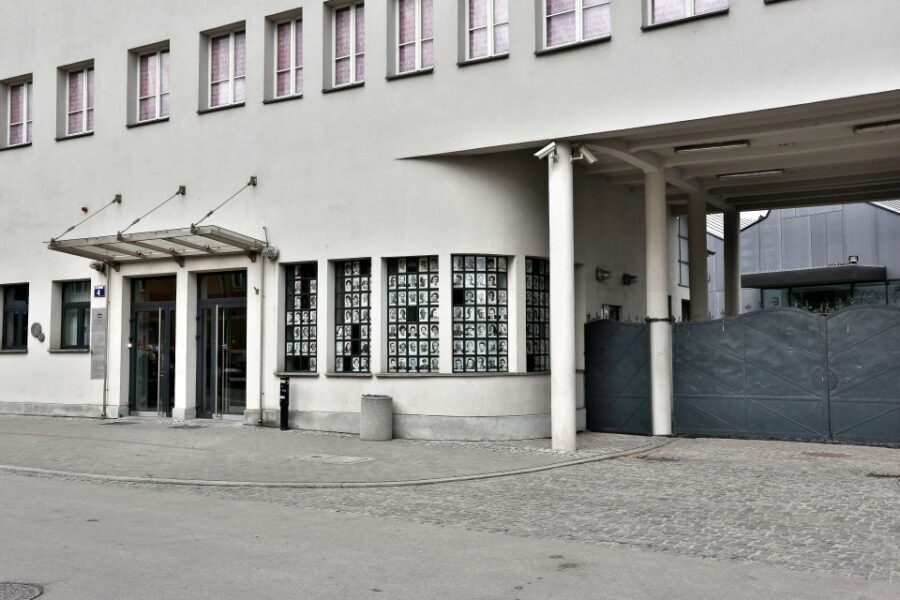
This stop pairs well with the bigger WWII route in Poland. Many people add Schindler’s Factory before or after visiting Auschwitz-Birkenau because it gives Kraków-centered context: the occupation’s impact on a specific city and community, and how survival and persecution played out on the ground.
If you only have one “deep WWII” activity in Krakow, this one is strong because it connects the local setting to a well-known story without skipping the historical weight.
Price and Value: Is It Worth $25?
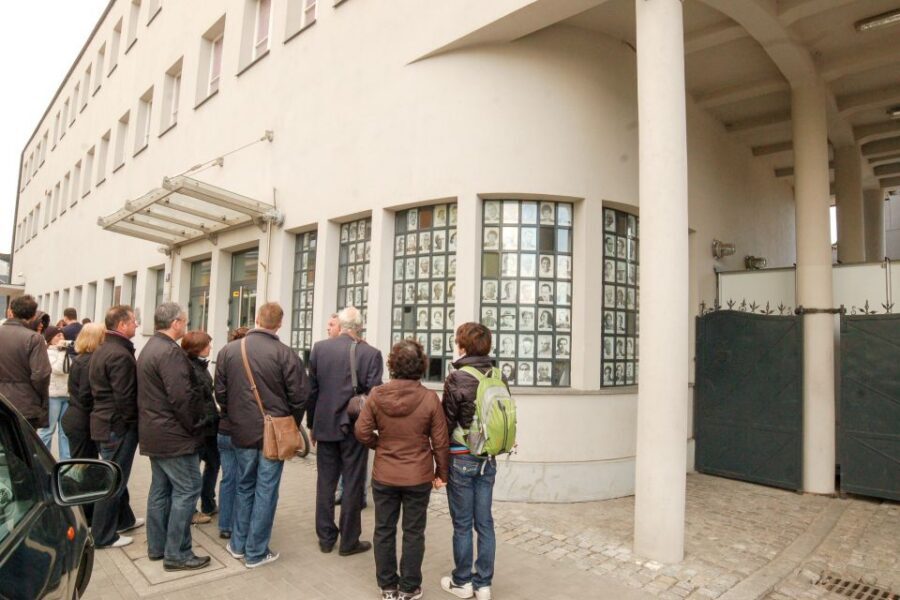
At around $25 per person, you’re paying for three things: an entrance ticket, a professional live guide, and time saved by skipping the ticket line. In many museums, a ticket alone won’t give you much more than reading captions. Here, the guide turns the exhibits into a guided narrative, which is exactly what helps when the subject is complex and emotionally dense.
Is it perfect value? It depends on your style. If you love self-guided wandering and you plan to spend hours reading, you might feel the tour portion is too structured. If you want the story organized into a clear timeline (and you don’t want to spend your trip doing homework in a museum), the guided format is a bargain.
Should You Book This Schindler’s Factory Guided Tour?
Book it if you want a clear, English-guided account of Kraków under Nazi occupation, plus Schindler’s story tied to the rescue effort. It’s a strong first visit because it gives you the context many people miss when they go only on their own.
Skip the tour (or plan extra time) if you need wheelchair access, or if you expect a slow, quiet read of every exhibit with no group pacing. Since the rooms can be tight and busy, this works best when you’re okay moving with the group and then doing a careful second pass afterward.
FAQ
How long is the guided tour?
The guided tour is about 100 minutes.
Is the entrance ticket included?
Yes. The tour includes the entrance tickets.
What language is the guide?
The live tour guide is offered in English.
Where do I meet for the tour?
Meet in front of the Schindler’s Factory Museum at ul. Lipowa 4.
What should I bring with me?
Bring your passport or ID card.
Is this tour suitable for wheelchair users?
No. It is not suitable for wheelchair users.
Can I cancel and get a refund?
Yes. Free cancellation is available up to 24 hours in advance for a full refund.
Can I reserve now and pay later?
Yes. You can reserve now & pay later.