REVIEW · KRAKOW
Krakow: Wawel Castle Guided Tour with Entry Tickets
Book on GetYourGuide →Operated by AT Cracow · Bookable on GetYourGuide
Wawel Castle hits different once you’re inside the rooms. This guided visit brings the setting to life, with a licensed guide helping you connect what you’re seeing to the way Poland’s kings and queens lived. I especially like the practical skip-the-line entry, because it saves real time on a busy hill and lets you spend that time with your guide instead of waiting at the door.
My only caution: this is a short tour focused on the interior exhibition areas, not a full walk-through of everything (and the cathedral isn’t included). If you want every corridor and every architectural nook, you’ll likely need extra self-guided time after the tour.
Wawel’s story is big. The castle sits on Wawel Hill as a UNESCO World Heritage site, and today it functions as a museum with everything from royal apartments to special themed sections. If you book the right language, you can follow the explanations clearly and get that calm, satisfying overview that makes later wandering much easier.
In This Review
- Key things to know before you go
- Wawel Hill first: meet, walk, then switch to museum mode
- Skip-the-line entry and a live guide: the smartest shortcut
- What you’ll see inside Wawel Royal Castle exhibitions
- Royal private apartments, with décor that screams power
- A museum-like walk through artifacts and curated displays
- The Wawel exhibition: archaeology and scale models
- Oriental Art and Ottoman tents
- How the guide turns rooms into stories (not just descriptions)
- The photo stop: use those 10 minutes wisely
- Cathedral is separate: plan your next step after the tour
- How long is enough? The real answer for a 1–2 hour tour
- Price and value: is $35 fair for what you get?
- Who should book this Wawel Castle guided tour?
- Should you book? My practical recommendation
- FAQ
- FAQ
- What does the tour include?
- Does the tour include entrance to Wawel Cathedral?
- How long is the Wawel Castle guided tour?
- Where is the meeting point?
- When should I arrive?
- Can I choose my tour language?
- Is private group service available?
- Is there free cancellation?
- Is reserve now and pay later available?
- Can the meeting time change?
Key things to know before you go
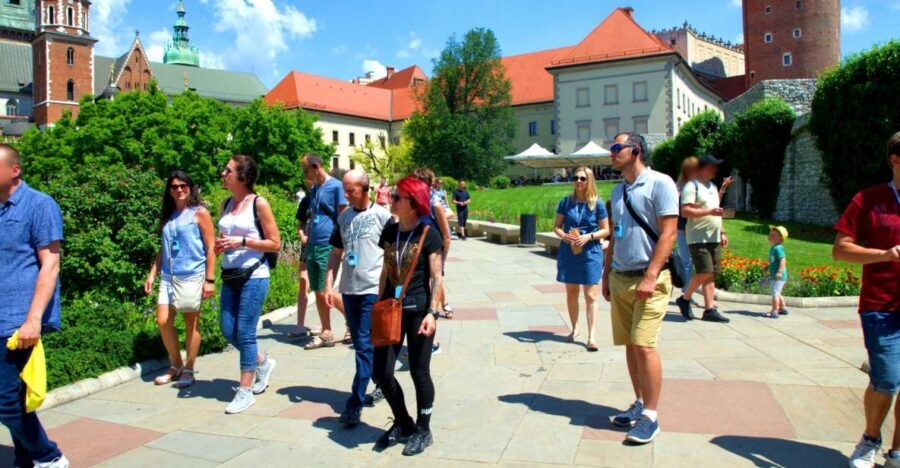
- Skip-the-line entry keeps your visit moving when Wawel gets crowded.
- Licensed live guide turns exhibits into real stories about royal life and myths.
- Tour stays in the exhibition area you selected, so you won’t see every wing.
- Royal apartments and museum artifacts are part of the experience focus.
- Oriental Art includes Ottoman tents, noted as the largest collection on the European continent.
- Duration 1–2 hours means you’ll get highlights, not a long deep crawl.
Wawel Hill first: meet, walk, then switch to museum mode
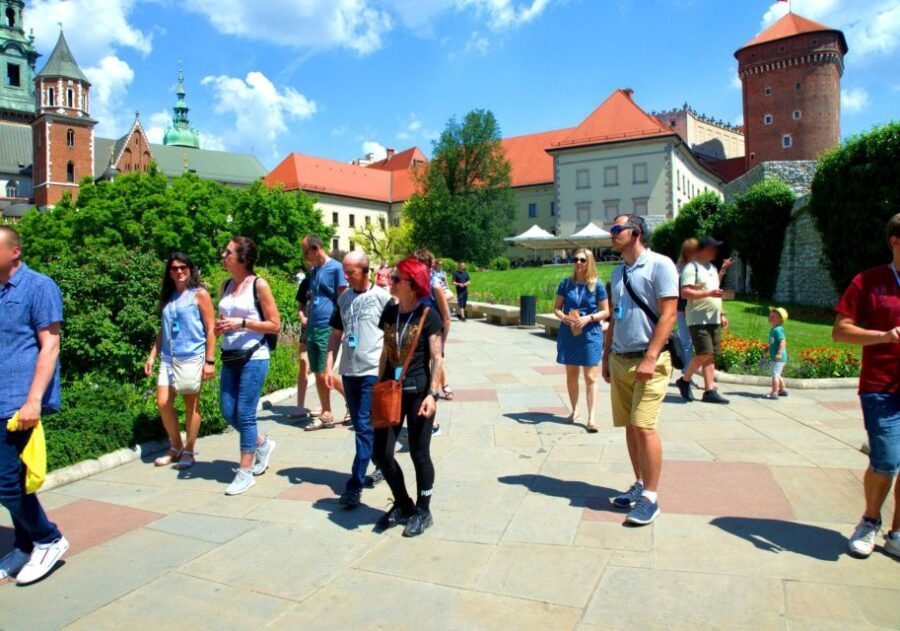
Your visit starts near Kanonicza Street (meet at Kanonicza 25). You’ll want to arrive about 10 minutes early and wait at the end of the cobblestone stretch where it meets asphalt, because that’s the exact spot you’re expected to gather. Once you’re with the group, it’s a short walk up toward Wawel Hill.
That little “buffer walk” matters more than it sounds. Wawel is visually dramatic from the hilltop, and even a quick approach helps you understand why this place became the royal center. You also get your bearings before the pace picks up inside—hallways, rooms, and display routes can feel maze-like if you start without context.
You can also read our reviews of more tours and experiences in Krakow


Skip-the-line entry and a live guide: the smartest shortcut
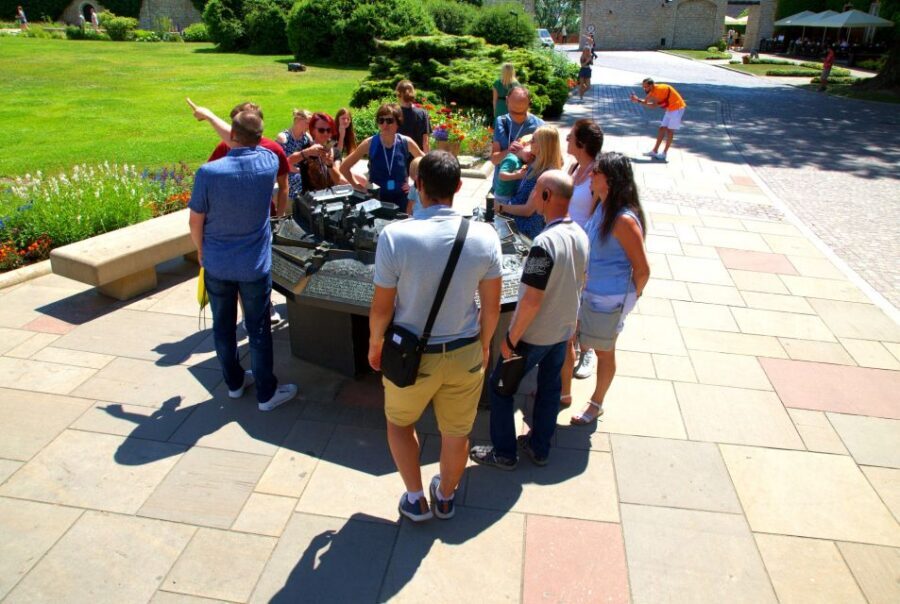
The big advantage here is simple: you’re getting entry tickets handled in advance, which means you skip the ticket line. In a place as popular as Wawel, that can be the difference between enjoying the castle and feeling rushed before you even enter.
Then there’s the guide. You’ll be with a live tour guide, and the language options are broad: Polish, Spanish, English, German, French, Italian, Dutch, Russian, Portuguese, Norwegian. Many tours at historic sites fail when you don’t understand the guide; here, you can usually match your comfort level. The tone you want is “clear, friendly, and specific,” and that’s exactly what people praise most—guides who explain without talking in circles.
One small note from real-world experience: tour quality can shift by guide style. Some guides lean more toward the visual details (paintings and staged rooms), while others keep the focus more on the bigger story of royal life. If you’re the type who wants the architecture angle first, plan to do some extra exploring on your own afterward.
What you’ll see inside Wawel Royal Castle exhibitions
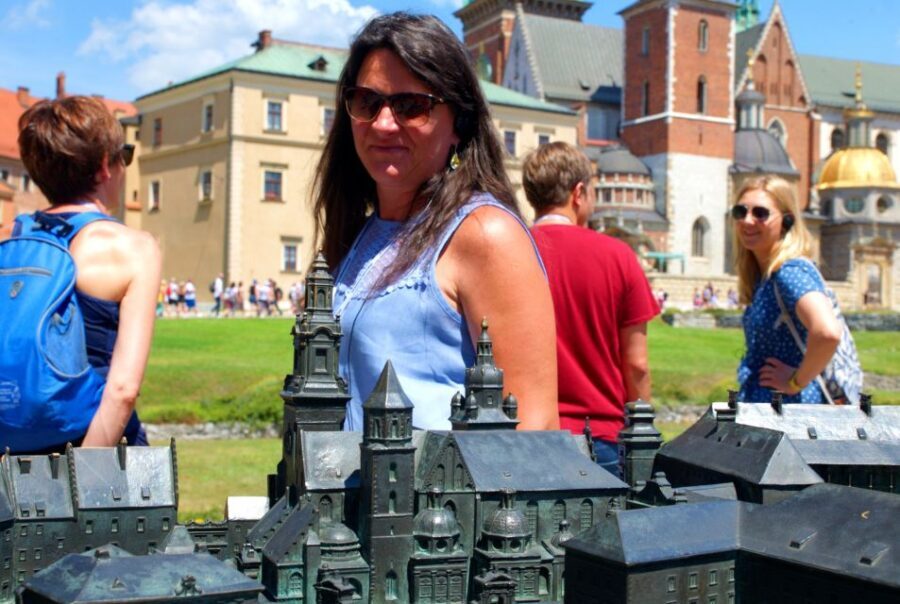
Once you’re inside, the tour stays in the interior exhibition areas linked to your chosen format. In practice, that means you’ll spend most of your time where the displays and guided stops are concentrated, rather than wandering freely across every possible room.
Here are the kinds of things this tour can include, and why they’re worth your attention:
Royal private apartments, with décor that screams power
The castle served as the residence of Poland’s royal family until 1795, and you’ll feel that “royal scale” in the way the rooms are arranged and decorated. The tour may take you through the royal private apartments, where you can see décor like tapestries, paintings, and chandeliers. Even if you’re not an art expert, these materials help you picture how wealth was displayed in daily life.
A museum-like walk through artifacts and curated displays
Wawel isn’t just a preserved building; it’s also an art and museum space. The tour focuses on the interior exhibition route, which includes preserved objects that connect to the royal era. This is where the guide’s narration matters most, because the displays can feel like isolated facts if you’re left to read labels alone.
You can also read our reviews of more guided tours in Krakow





The Wawel exhibition: archaeology and scale models
You may also see the Wawel exhibition, which highlights objects uncovered during archaeological excavations around the region. Another interesting element is the use of scale models showing buildings and architectural elements. For me, models are the secret weapon of history museums: they help your brain reconstruct what’s gone, instead of just staring at ruins or fragments.
Oriental Art and Ottoman tents
One standout feature of Wawel Castle as a museum is an Oriental Art section, including the largest collection of Ottoman tents on the European continent. Even if your tour doesn’t go deep into every special section, it’s useful to know that Wawel has this kind of surprising scope. It prevents the visit from feeling like only royal portraits and formal rooms.
How the guide turns rooms into stories (not just descriptions)

The best guided tours do one thing really well: they connect objects and spaces into a believable narrative. Here, the focus is on how Polish kings and queens lived centuries ago, plus the myths that cling to Wawel Hill and its halls.
You’ll hear stories about the people who once lived there and the historical context behind why the castle grew the way it did. The castle traces back to the 14th century, when King Casimir II the Great built it, and then it expanded later—especially after King Sigismund the Old commissioned major additions in the 16th century. That timeline helps you stop treating the building like a single-era “set,” and start seeing it as a living project shaped by different rulers.
Also, the guide work is where myths become fun instead of confusing. Legends around royal sites can be tempting to ignore, but explained well, they add personality to the place. You don’t leave feeling like you memorized a textbook. You leave with a mental movie: royal rooms, power symbols, and the sense that Wawel wasn’t a museum yet—it was home.
If you get a guide like George (a name that comes up with high praise), you’ll likely notice a friendly, energetic delivery that makes the details stick. Even without that exact guide, the tour’s format is designed around clear interpretation of what you’re seeing.
The photo stop: use those 10 minutes wisely
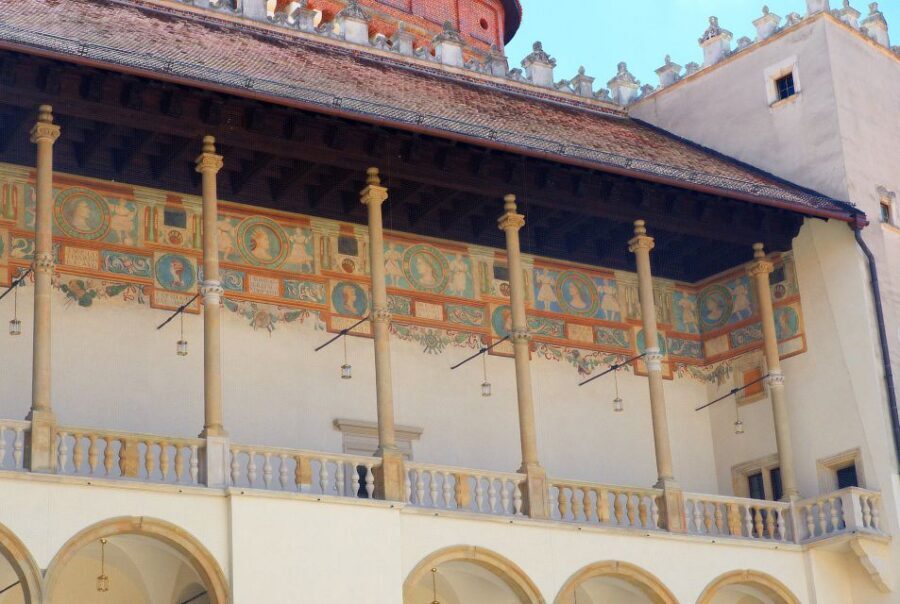
There’s a dedicated photo stop as part of the experience—about 10 minutes. This is one of those small timing details that makes a big difference: it prevents the group from constantly stopping mid-story, which can break the flow.
So how should you use it?
- Pick one or two angles you really want. Wawel’s exterior and interior views can be different enough that wandering aimlessly during the stop wastes time.
- Keep an eye on the group pace. Ten minutes disappears fast inside a busy site.
- Don’t treat it like a souvenir break. Use it as a quick capture window, then get back to the guide’s final explanations.
Cathedral is separate: plan your next step after the tour
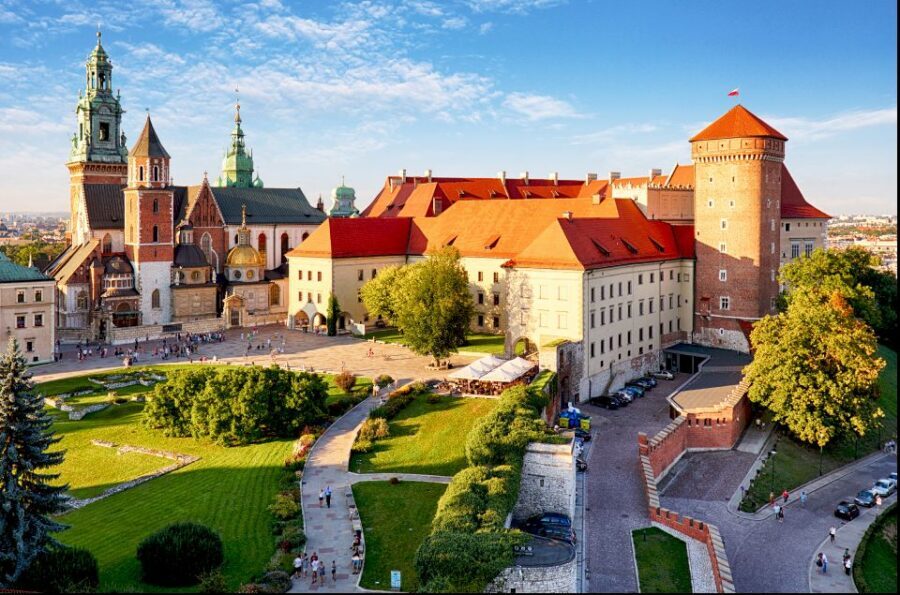
The cathedral entrance isn’t included. That matters, because many first-time visitors assume Wawel Castle and Wawel Cathedral are a single ticket stop. Here, the guided experience stays within the castle’s exhibition areas.
If the cathedral is a must for you—because it’s central to royal burials and Poland’s religious heritage—build time separately. The good news is that doing the castle tour first can help you appreciate what the cathedral represents afterward. You’ll understand the royal center as a whole system: residence in the castle, spiritual and memorial space in the cathedral area.
If you’re tight on time, you’ll need to choose. This tour gives you the castle interiors and museum focus. The cathedral is a different kind of visit—less about curated rooms and more about sacred architecture and royal legacy.
How long is enough? The real answer for a 1–2 hour tour
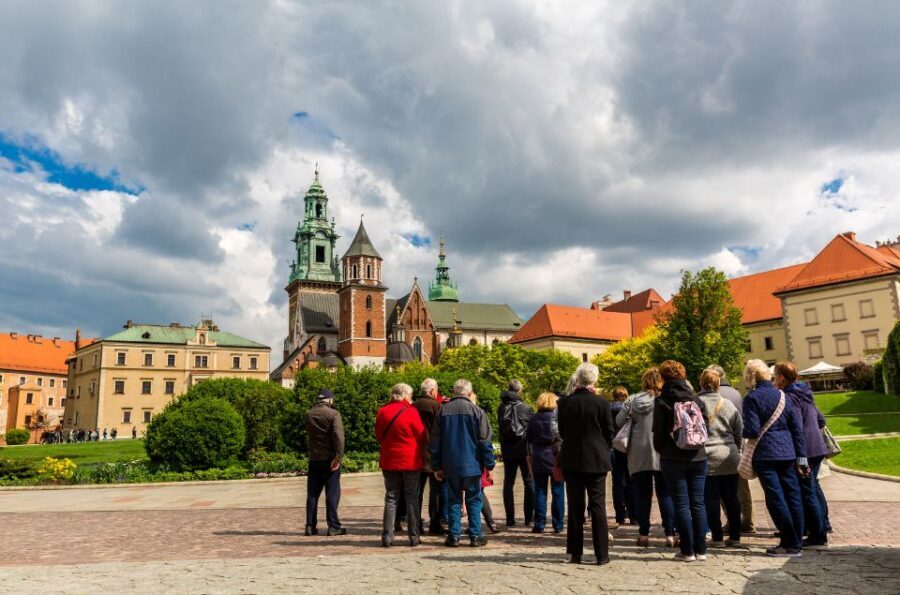
The experience runs about 1–2 hours, and that’s honestly the sweet spot for many people. You get a structured overview without losing your whole day. The trade-off is scale: Wawel is big, and one short tour can’t turn it into a complete walkthrough.
A helpful way to think about it: this is the “high-signal” part of the day. You’ll see key rooms and exhibits, learn the main storyline, and then you can go back for your own interests. If you love artwork, you’ll probably enjoy the emphasis on staged interiors and what the rooms represent. If you’re more focused on architecture and building evolution, you might want to add time afterward to look more slowly at details the guided route doesn’t prioritize.
Price and value: is $35 fair for what you get?
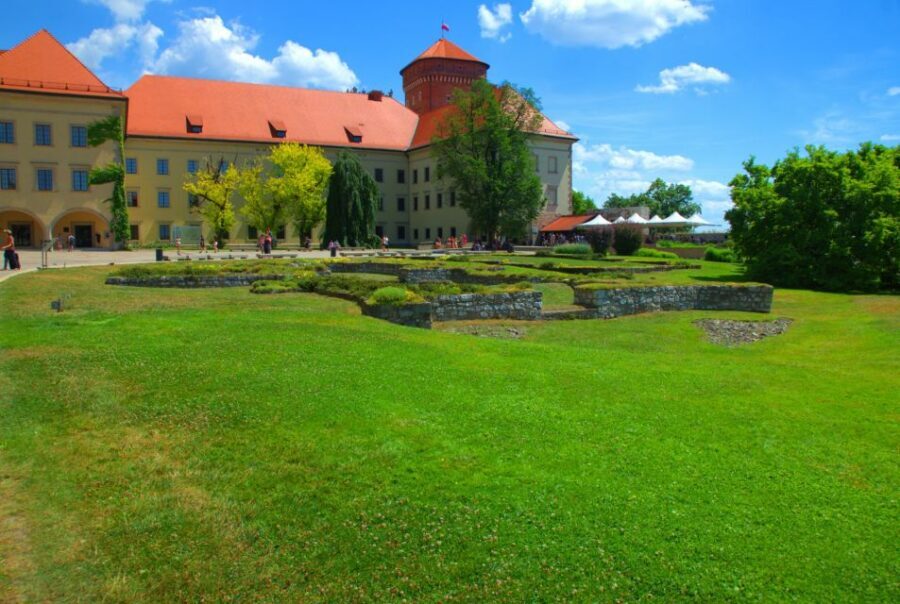
At about $35 per person, this tour sits in the mid-range for guided museum experiences in Krakow. Here’s what you’re paying for, in plain terms:
- Skip-the-line entry (you’re not spending your precious time waiting)
- A licensed guide delivering live interpretation
- Touring interior exhibition areas tied to the castle’s museum spaces
If you were to visit on your own, you could still see a lot. But you’d spend more time reading labels, and you’d miss the “why it matters” layer. In other words: this isn’t just sightseeing; it’s a time-saving story package.
Is it worth it if you’re only in Krakow for one day? Often yes, because it gets you oriented fast. Is it worth it if you hate tours and prefer quiet wandering? Probably not. In that case, you might do better buying tickets yourself and moving at your own pace.
Who should book this Wawel Castle guided tour?
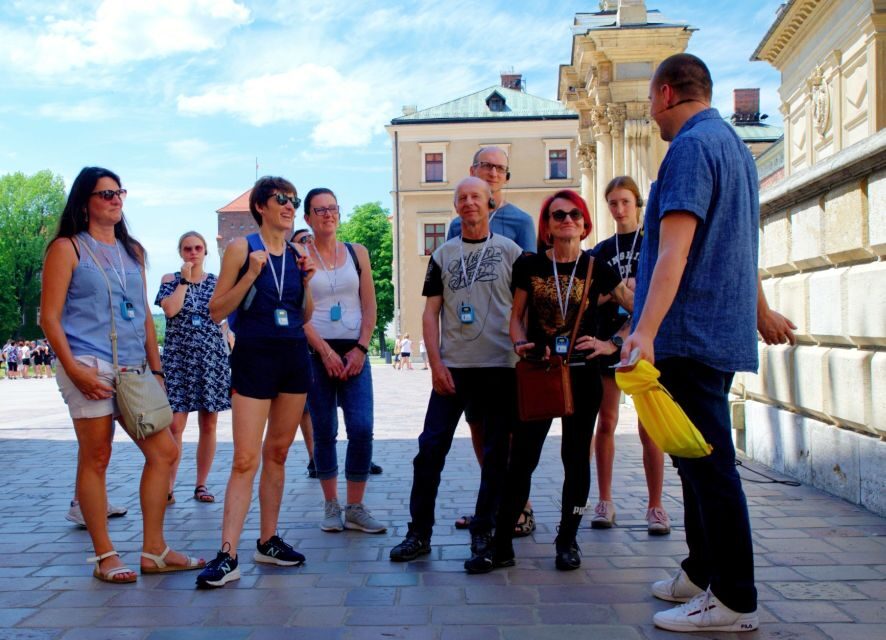
This experience works best if you:
- Want an efficient introduction to Wawel that makes later wandering more meaningful
- Prefer a live guide instead of relying on signs and captions
- Want a tour in one of the listed languages (English and other major European languages are available)
- Like royal-life storytelling, artifacts, and museum exhibitions rather than only outdoor views
It may feel less satisfying if you’re:
- Expecting a long, fully comprehensive castle walk
- Mainly chasing architecture, floor-by-floor structure, and every room type in depth
- Looking for the cathedral specifically (since that’s not included)
A good middle-ground strategy is to book this tour for the guided structure, then spend extra time afterward for your personal “favorite” areas.
Should you book? My practical recommendation
I’d book this tour if you want a smart, time-efficient way to experience Wawel Castle with a guide who explains what you’re seeing. The skip-the-line entry is a real value, and the interior focus is ideal for first-timers who want the big picture without getting lost.
I’d also book it if you care about getting the story right—how the castle was shaped over time, what royal life looked like, and why the exhibits matter. Wawel can feel like a beautiful but overwhelming pile of rooms if you go in cold. With guidance, the visit becomes more organized and satisfying.
But if your dream day is slow wandering, architecture-first, and cathedral-focused, consider skipping or pairing this with cathedral time. This tour is a highlight route, not a complete takeover of the entire Wawel complex.
FAQ
FAQ
What does the tour include?
You get a guided tour of the interior exhibition area and a skip-the-line ticket.
Does the tour include entrance to Wawel Cathedral?
No. Cathedral entrance is not included.
How long is the Wawel Castle guided tour?
The duration is listed as about 1–2 hours.
Where is the meeting point?
Meet at Kanonicza 25 and wait at the end of Kanonicza Street where cobblestone reaches asphalt.
When should I arrive?
Arrive about 10 minutes before the activity starts.
Can I choose my tour language?
Yes. The tour offers multiple languages including Polish, Spanish, English, German, French, Italian, Dutch, Russian, Portuguese, and Norwegian.
Is private group service available?
Yes. Private group options are available.
Is there free cancellation?
Yes, you can cancel up to 24 hours in advance for a full refund.
Is reserve now and pay later available?
Yes. The option is listed as reserve now & pay later, with pay nothing today.
Can the meeting time change?
Yes. For group tours, meeting time may shift by up to 30 minutes on either side. For private tours, the meeting time is approximate and may change based on availability in your chosen language, and you’ll be informed no later than one day before.